Roma Forum in Berlin: key topics of the first day
On 23 November, the first day of the international forum “Roma Forum on Ukraine 2026: Protecting the Rights of Ukrainian Roma in the European Cross-Border Context” took place in Berlin. Discussions focused on the impact of the full-scale war on Roma communities, access to documentation and essential services, the role of civil society organisations, responsible media coverage of Roma-related issues, and preserving the memory of the genocide of the Roma.
The discussions brought together representatives of Ukrainian and European government institutions, international organisations, human rights advocates, researchers, journalists, and members of Roma communities. Some participants joined the forum online.
The event was organised by the Roma Culture Advocacy and Development Agency (ARCA) with the support of the German Federal Foreign Office.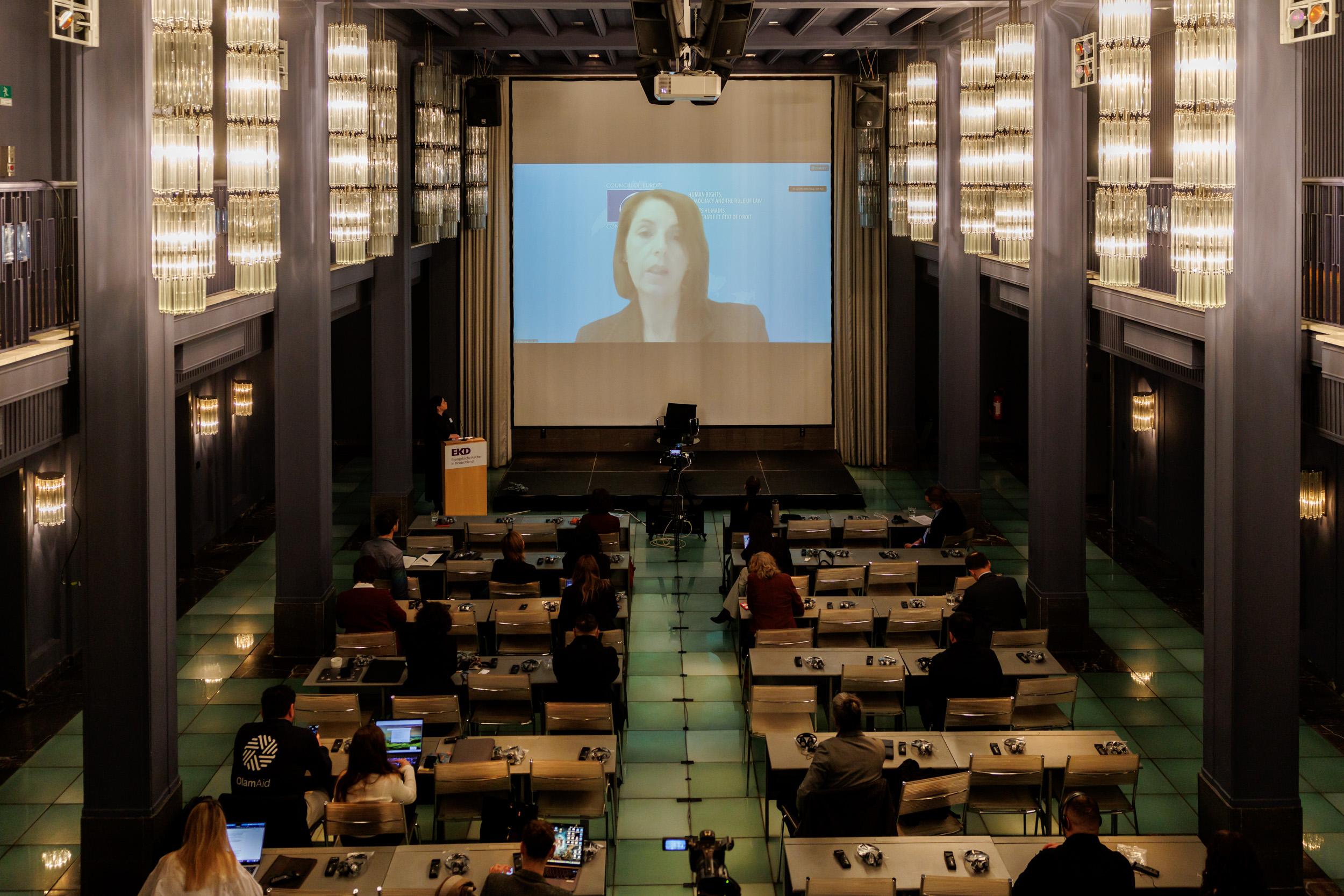
Roma as Full Participants in Society, Not Just Recipients of Aid
During the opening session, Volodymyr Yakovenko, Executive Director of ARCA, emphasised the importance of changing how Roma communities are perceived: Roma should be seen not only as people in need of support, but as full participants in society who can influence decisions and contribute to the country's recovery.
“It is important to us that Roma are seen not only as people who need assistance, but as full participants in society. We have seen positive developments, yet there is still a gap between decisions being adopted and real changes in people's lives. What matters to people is not the documents themselves, but whether anything has actually improved in their everyday lives,” said Volodymyr Yakovenko.
He also stressed the importance of bringing Roma organisations together around shared priorities and strengthening cooperation with government institutions in Ukraine and the European Union. According to him, organisations may have different experiences and operate in different regions, but achieving systemic change requires joint action.
One of the key issues raised during the first discussion was the impact of the war on Roma families. Eleonora Kulchar pointed out that the full-scale invasion had exacerbated long-standing challenges, including poverty, the lack or loss of identity documents, and limited access to healthcare and education. Internally displaced people, older persons, and people with disabilities remain particularly vulnerable.
Participants emphasised that effective support requires more than general assessments and reports. It is essential to work directly with communities, understand their needs, and take into account the specific circumstances of people's lives.
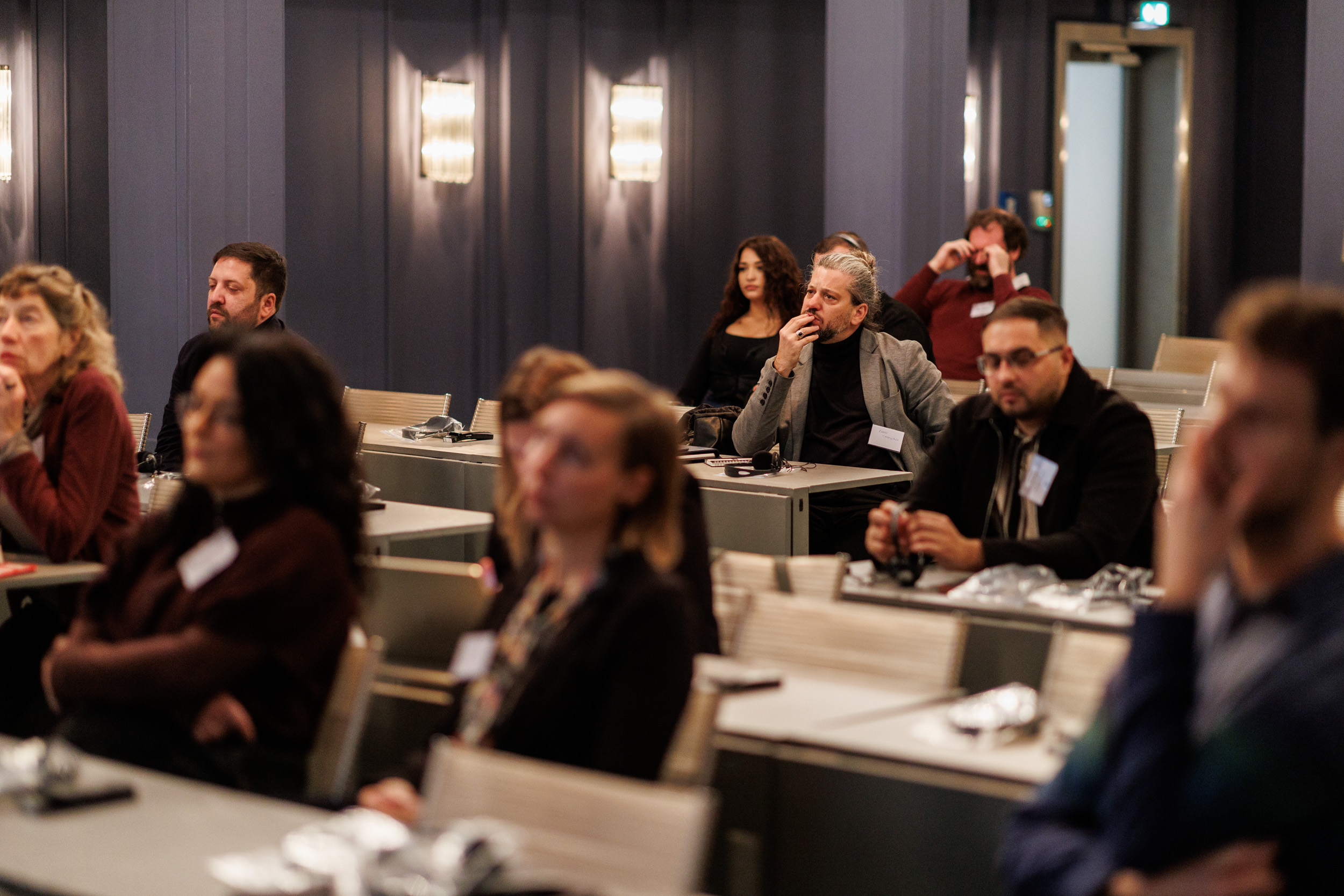
Vasyl Duri spoke about the role of local organisations in this process. According to him, they often serve as a bridge between Roma communities, government institutions, and international donors. Local activists understand the situation within communities and can identify who needs medication, who lost their documents during evacuation, and which families require additional support.
“We literally live alongside these people. We know their needs, we know which children are ill, who needs medication, and who lost their documents during evacuation. Local people trust us and are not afraid to tell us about their problems. That is why assistance can reach those who genuinely need it,” said Vasyl Duri.
Participants also addressed the issue of civil documentation. The absence of birth certificates, passports, and other identity documents can effectively prevent people from accessing education, social protection, and public services. Fedir Danylchenko, a representative of the UN Refugee Agency (UNHCR), shared examples from other countries, including North Macedonia, where various documents — from school certificates to utility bills — had been accepted as proof of residence and for citizenship procedures. In his view, this experience could also be useful for Ukraine.
The discussion also covered support for Roma children, access to education, the creation of safe learning environments, and the need to move beyond one-off humanitarian assistance towards solutions that promote families' economic independence. Key areas included vocational education, employment opportunities, and access to a stable income.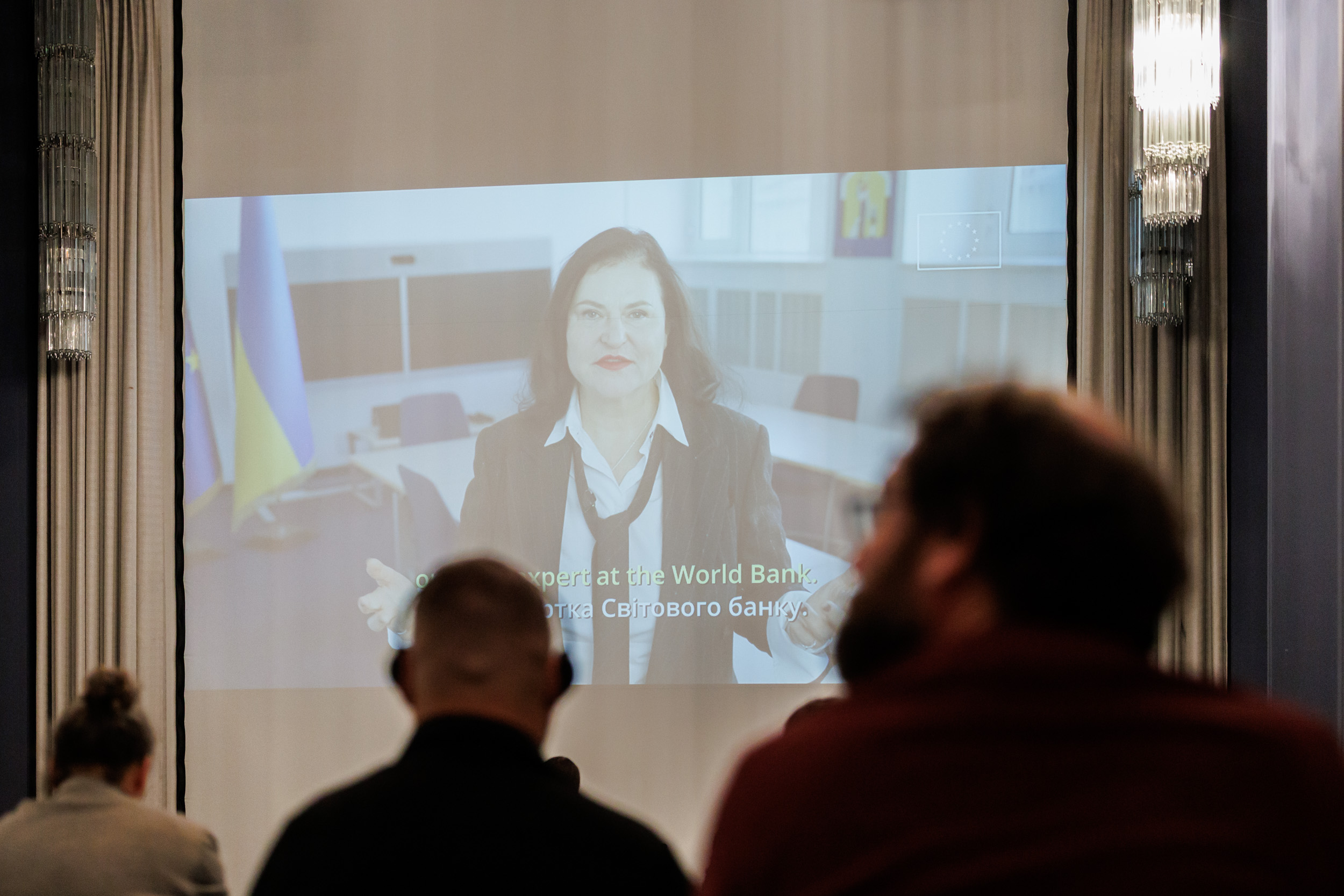
How the media shape perceptions of Roma
Another key topic on the first day was media coverage of Roma-related issues in Ukrainian and European media. Participants discussed how stereotypes influence journalistic content, why a person's ethnicity is often emphasised in crime reporting, and how approaches to representing Roma communities can be changed.
A representative of the National Council of Ukraine on Television and Radio Broadcasting spoke about the development of recommendations for responsible coverage of Roma-related issues, involving 17 organisations.
Researcher and expert Emilia Sulek highlighted that the media often focus on conflict-related or crime stories in which Roma are portrayed as a source of problems. At the same time, members of Roma communities themselves are frequently left out of journalistic coverage.
She also stressed the lack of Roma journalists and the importance of including Roma voices in stories about their own lives. Without this, even well-intentioned journalistic investigations may reproduce prejudice rather than help overcome it.
Participants underlined that responsible media coverage of Roma-related issues requires not only avoiding stereotypes, but also a willingness among journalists to work directly with communities, listen to their stories, and reflect the diversity of Roma experiences.
The Memory of the Genocide of the Roma Must Be Part of Public Commemoration
A separate panel focused on the history of the genocide of the Roma and the preservation of its memory. Discussions addressed the documentation of testimonies, commemorating victims, ensuring the visibility of Roma history in public spaces, and the responsibility of government institutions.
Natalia Tomenko, Deputy Director of ARCA, emphasised that the official recognition of the genocide of the Roma must be followed by concrete action. In particular, Roma memorials and sites of remembrance should be included in official commemoration protocols, and representatives of government institutions should take part in related events.
Participants also stressed the importance of collecting and preserving testimonies from people who survived persecution and passing this memory on to future generations. Representatives of international organisations shared their experience in documentation, interview methodologies, and digital preservation of testimonies.
Michaela Küchler, Secretary-General of the International Holocaust Remembrance Alliance (IHRA), highlighted the importance of cooperation with European partners to ensure that the memory of the genocide of the Roma is properly represented at official events and in public spaces. She also pledged to raise the issue for discussion at the level of European governments.
From discussion to joint action
Throughout the first day, participants repeatedly returned to the question of how to turn policy commitments into tangible improvements in the lives of Roma communities. Discussions covered access to documentation, education, healthcare and social protection, combating anti-Gypsyism, supporting Roma organisations, and ensuring that Roma themselves are involved in decision-making.
Asier Santillán, a representative of the European Union in Ukraine, highlighted the importance of civil documentation as a prerequisite for accessing fundamental rights and public services. He also spoke about a pilot project in Zakarpattia, which helped people obtain identity documents, including identity cards and passports. According to him, work in this area is ongoing, and the project is expected to be expanded.
Ihor Lossovskyi, a representative of the State Service of Ukraine for Ethnic Affairs and Freedom of Conscience, noted that Ukraine has been making considerable efforts to support the Roma community. However, the war has pushed many issues into the background, as national defence, security, and addressing the devastating destruction caused by Russia's aggression currently require priority attention. He also identified combating anti-Gypsyism and challenging negative perceptions of Roma communities as important priorities.
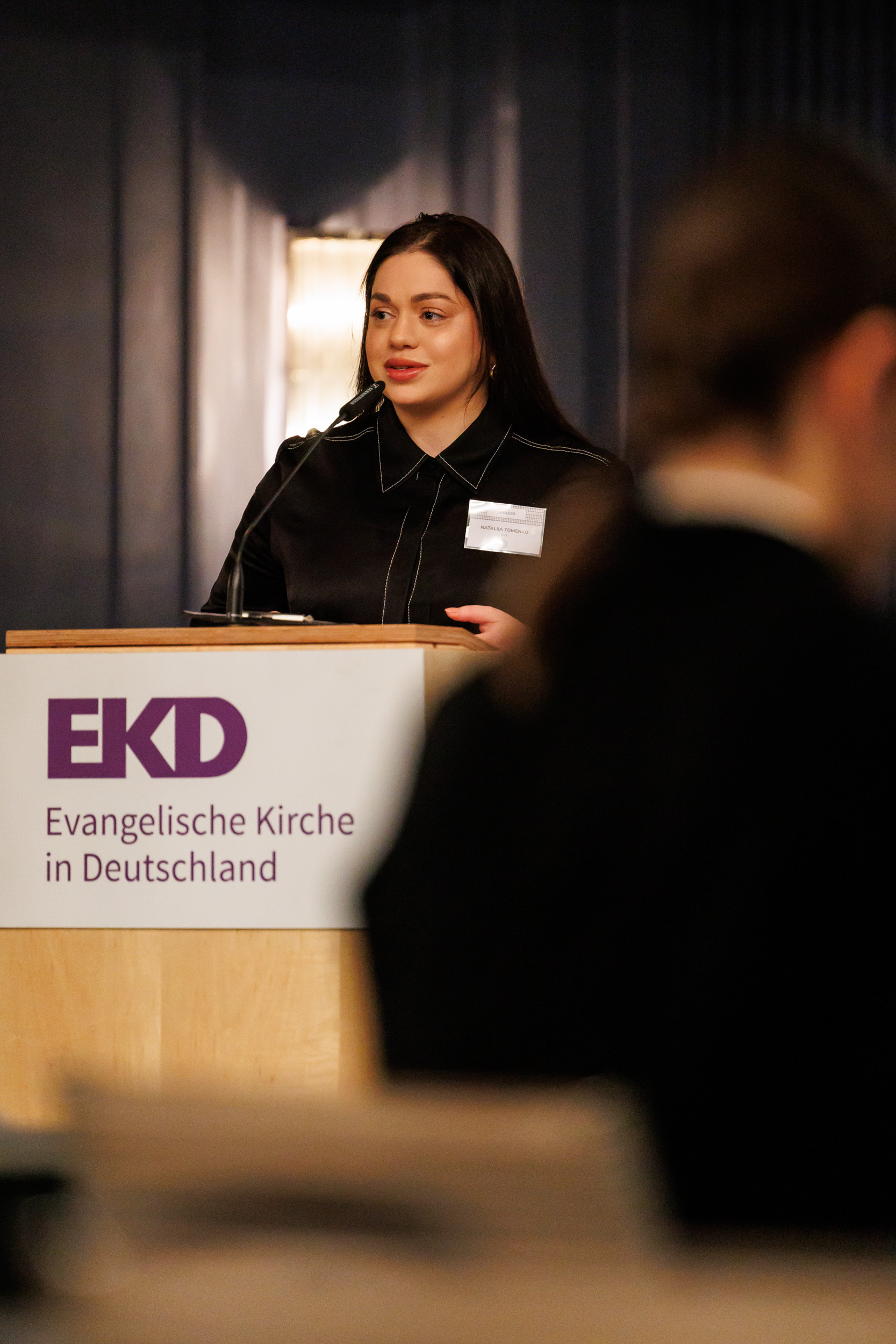
Reflecting on the forum's objectives, Natalia Tomenko, Deputy Director of ARCA, noted that it was important not only to assess the policies developed in recent years, but also to identify the next steps for protecting Roma rights in Ukraine and beyond.
The first day of the forum highlighted key challenges and areas for further cooperation. Participants stressed that effective protection of Roma rights requires more than isolated initiatives: it calls for consistent cooperation between the state, international partners, and Roma organisations. The voices of Roma communities must be heard not only during discussions, but also directly in the decision-making processes that affect their lives.
On 24 November, participants will continue the dialogue, focusing on the future of Roma refugees from Ukraine in Europe, the conditions for safe and voluntary return, reintegration, and the Roma community's role in Ukraine's recovery and European integration.
See also
- Roma Forum on Ukraine 2026: Advancing the Rights of Ukrainian Roma Across Borders in Europe
- ARСA presented its experience in preserving Romani oral history at a symposium in Yale
- АРКА представила Україну на міжнародній платформі Café Kyiv 2026
- АРКА візьме участь у Cafe Kyiv 2026
- Roma Women’s Testimony from Ukraine at the United Nations Holocaust Memorial Ceremony
- Roma rights and the challenges of war: results of a discussion in Berlin
- Roma Inclusion in Focus – Strengthening Partnerships Between Ukraine and Germany
- The film “Named Voices” was presented at an international conference
- ARСA representative participates in OSCE conference on human rights
- Babyn Yar: And the Thousands of Ravines of Memory. How We Reflect on the Past During Wartime
- Voices of Memory and Future: ARCA’s Participation in the 5-Year Anniversary of the Program
- ARCA Representatives Hold Lecture at the MFA to Mark Roma Genocide Remembrance Day
- Roma Programme Featured at One of Europe’s Largest Conferences
- In New York City, the 69th session of the UN Commission on the Status of Women is underway
- A screening of a movie about the Roma Genocide took place in Berlin
- Michael Roth: “Roma are the largest ethnic community. And its contribution should be recognized”
- Humanitarian Aid, Human Rights, Equality: Challenges faced by the Roma Community
- Participation in the panel discussion “Challenges Faced by Ukrainian Roma in the Ukraine”
- Attitude towards minorities is an important indicator of Ukraine's readiness to accede to the EU
- A networking meeting between civil society participants
- We are already planning the restoration of Ukraine: an international conference has begun
- Participation in DEZIM CONFERENCE 2024
- The Art of Memory: How the Romani Tragedy Resurrects from Oblivion
- The Forum dedicated to the 140th Anniversary of the Female Movement in Ukraine
- "Romanis must be included in the processes of Ukraine’s Reconstruction", – Volodymyr Yakovenko
- The event "Roma contribution to the Recovery of Ukraine"
- The Council of Europe Dialogue with Roma and Traveler civil society
- Conference on Ukraine's recovery in Berlin
- Educational event "Roma in Ukraine - fighters for democracy, human rights and justice" was held
- Ukrainian Decolonization: the Untold Roma Stories
- Public event "Roma in Ukraine – Fighters for Democracy, Human Rights and Justice"
- Mapping the Challenges faced by Ukrainian Roma in a War Time and Overcoming the Obstacles
- Cafe Kyiv event took place in Berlin
- Respect, Recognition and Rights of National Minorities in Ukraine
- Consultation meeting on opportunities for Roma youth realization
- Meeting with a member of the Bundestag
- Conference “Roma as an integral part of Ukrainian society”
- Forum of Roma civil society
- "The Russian War Against Ukraine and Its Consequences for Roma" conference
- First day of Roma Civil Society Forum
- The Sastipe project
- The project Through my mind
- DIKH HE NA BISTER - Roma Genocide Remembrance Initiative